






The space industry is blasting off like a rocket, and it’s not just for the sci-fi enthusiasts anymore. With private companies joining the race and governments investing in interstellar dreams, the cosmos is becoming a bustling marketplace. Think of it as the ultimate frontier for innovation—where satellite launches and asteroid mining are just the tip of the iceberg.
Overview of Space Industry Growth
The space industry has experienced remarkable expansion, evolving into a dynamic sector ripe with possibilities. Investments from private companies, such as SpaceX and Blue Origin, have revolutionized satellite launches and human spaceflight. Government initiatives further propel this growth, with programs like NASA’s Artemis aiming to return humans to the Moon by 2024.
According to a report by Mordor Intelligence, the global space economy is projected to exceed $1 trillion by 2040. Emerging areas, including satellite internet and in-orbit servicing, showcase the diverse opportunities within the market. With advancements in technologies, costs related to launch services have decreased significantly, making access to space more attainable.
Partnerships between public and private sectors enhance innovation. For instance, NASA collaborates with commercial companies to develop space transportation solutions. Such partnerships not only promote technological advancement but also create economic opportunities in adjacent industries.
Research from the Space Foundation indicates that satellite communications, Earth observation, and navigation services represent significant segments of the current market. The demand for global connectivity fuels the growth of satellite constellations, leading to the planning of thousands of new satellites in low Earth orbit.
Investing in education and workforce development remains critical for sustaining this growth trajectory. Universities and technical schools are increasingly offering programs focused on aerospace engineering and related fields. Education fosters a skilled workforce equipped to meet the industry’s demands.
Future trends include space tourism and asteroid mining. Companies like Virgin Galactic are paving the way for civilians to experience space travel. This potential for new revenue streams captures the imagination and reinforces the industry’s relentless push for innovation and exploration.
Key Drivers of Growth
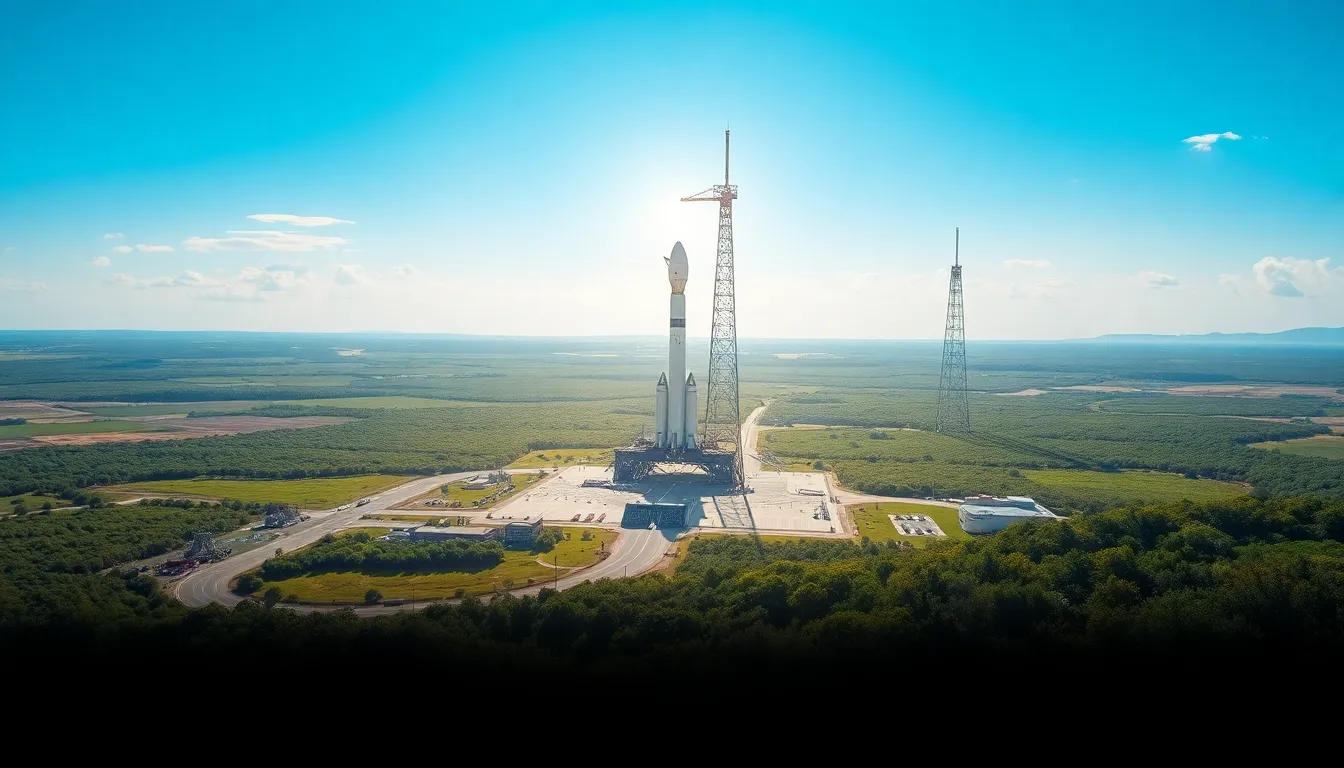
Several factors contribute to the dynamic expansion of the space industry. These include technological advancements and increased investment.
Technological Advancements
Innovation accelerates growth in the space sector. Enhanced rocket designs and reusable launch vehicles reduce costs significantly. Companies like SpaceX lead the charge, showcasing successful models that increase flight frequency. Automated systems improve satellite manufacturing, enabling shorter production times. Advanced information systems enhance data processing, creating more efficient operations across the board. As new technologies emerge, they unlock potential for satellite internet and Earth observation applications, directly impacting market value.
Increased Investment
Investment floodgates open as private entities and governments commit financial resources. Reports highlight over $1 trillion in projected value for the global space economy by 2040. Big players like Blue Origin and venture capital firms funnel resources into promising startups and projects. Government initiatives, particularly NASA’s Artemis program, support ambitious goals, fostering further investment interest. Collaborations between public and private sectors create robust growth environments, driving technological innovations and expanding the industry in multiple sectors such as satellite communications and exploration. This increasing investment landscape ultimately drives the momentum of the space industry forward.
Major Players in the Space Industry
The space industry features prominent players that contribute significantly to its rapid expansion. Both private companies and government agencies drive growth and innovation.
Private Companies
Private companies lead many advancements in the space sector. SpaceX revolutionizes satellite launches with innovations in reusable rocket technology, enabling more cost-effective access to space. Blue Origin follows suit, focusing on suborbital flight and space tourism, increasing interest in civilian space travel. A diverse group of startups also emerges, targeting satellite internet and in-orbit servicing, contributing to the projected $1 trillion space economy by 2040. Investments in technology and infrastructure from these entities foster a competitive environment that accelerates progress and expands market opportunities.
Government Agencies
Government agencies play a crucial role in shaping the space industry landscape. NASA’s Artemis program aims to return humans to the Moon by 2024, showcasing significant commitment to deep space exploration. International partnerships, such as those between NASA and ESA, further promote shared goals and resource pooling. Defense agencies also invest heavily in satellite technology and space security, addressing national interests and global connectivity. With substantial funding directed toward research and development, government initiatives create a foundation for private sector growth and technological advancements across the industry.
Impact on Global Economy
The growth of the space industry significantly influences the global economy. Projections indicate that the global space economy will exceed $1 trillion by 2040. Driving this expansion is a surge in satellite communication services, Earth observation capabilities, and navigation solutions. Increased demand for global connectivity spurs the planning of thousands of satellites, principally in low Earth orbit.
Public-private partnerships enhance the potential for market opportunities. SpaceX’s innovative reusable rocket technology reduces launch costs, making access to space more feasible. Technological advancements increase flight frequency while enhancing satellite manufacturing efficiency. The collaboration between private companies and government agencies nurtures an environment conducive to innovation.
Education and workforce development play vital roles in sustaining industry growth. Universities and technical schools now offer programs focused on aerospace engineering, preparing the future workforce. Emerging trends, including space tourism and asteroid mining, attract additional investment. Virgin Galactic exemplifies the push towards civilian space travel, stimulating economic interest.
Companies and governmental bodies alike fuel this expansion through substantial funding for research and development. Investment by defense agencies stimulates advancements in satellite technology and space security, addressing both national and global needs. Overall, the interconnection of technology, investment, and education fosters a thriving landscape in the space industry, establishing a foundation for ongoing economic growth.
Future Trends and Predictions
Emerging trends indicate substantial growth in the space industry, with significant advancements on the horizon. Space tourism stands out as a promising area, driven by companies like Virgin Galactic that make civilian space travel more accessible. Asteroid mining garners attention as private firms explore its potential for resource extraction, showing great promise for future missions.
Market demand for satellite internet continues to rise, leading to numerous startups focusing on global connectivity solutions. Recent reports highlight forecasts predicting the satellite internet sector could reach $400 billion by 2025. Partnerships between tech giants and space agencies enhance project viability, accelerating development timelines and encouraging innovation.
Environmental considerations also shape future endeavors within the industry. Sustainable practices in satellite manufacturing and launch operations gain traction, with companies exploring eco-friendly fuels and materials. Responsibility in space operations becomes crucial as awareness surrounding space debris grows.
Investment levels showcase growing confidence in the space sector. Over $20 billion flowed into the industry through venture capital and private investments in 2022 alone. Public funds, particularly through NASA and international agencies, support ambitious projects aimed at lunar exploration and Martian colonization.
Technological breakthroughs remain essential for ongoing success. Innovations in artificial intelligence and robotics streamline satellite design and data collection, making operations more efficient. Companies actively invest in workforce training programs to address the need for skilled labor amid rapid expansion.
Government initiatives continue to inspire private sector participation. Programs like NASA’s Artemis aim not just for lunar return but also foster collaborative missions that open new frontiers. The confluence of these factors positions the space industry for an exciting and transformative future.
The space industry stands at the brink of a remarkable evolution. With private companies and government initiatives driving innovation the potential for growth is immense. As advancements in technology continue to lower costs and increase accessibility the landscape is transforming rapidly.
Emerging trends like space tourism and asteroid mining present exciting opportunities that could redefine economic prospects. The commitment to education and workforce development ensures a steady stream of talent ready to tackle future challenges.
With the global space economy projected to exceed $1 trillion by 2040 the future looks bright. The synergy between public and private sectors will further propel this dynamic industry into new realms of possibility.