





Tunnelling and underground space technology might sound like something out of a sci-fi novel, but it’s very much real and crucial in today’s world. Imagine creating vast subterranean networks that reduce traffic congestion or shield us from environmental impacts. While that may sound revolutionary, it’s already happening, and it’s time to investigate into how engineers are breaking through layers of earth to build the future. Intrigued? Let’s dig in.
Overview Of Tunnelling Techniques
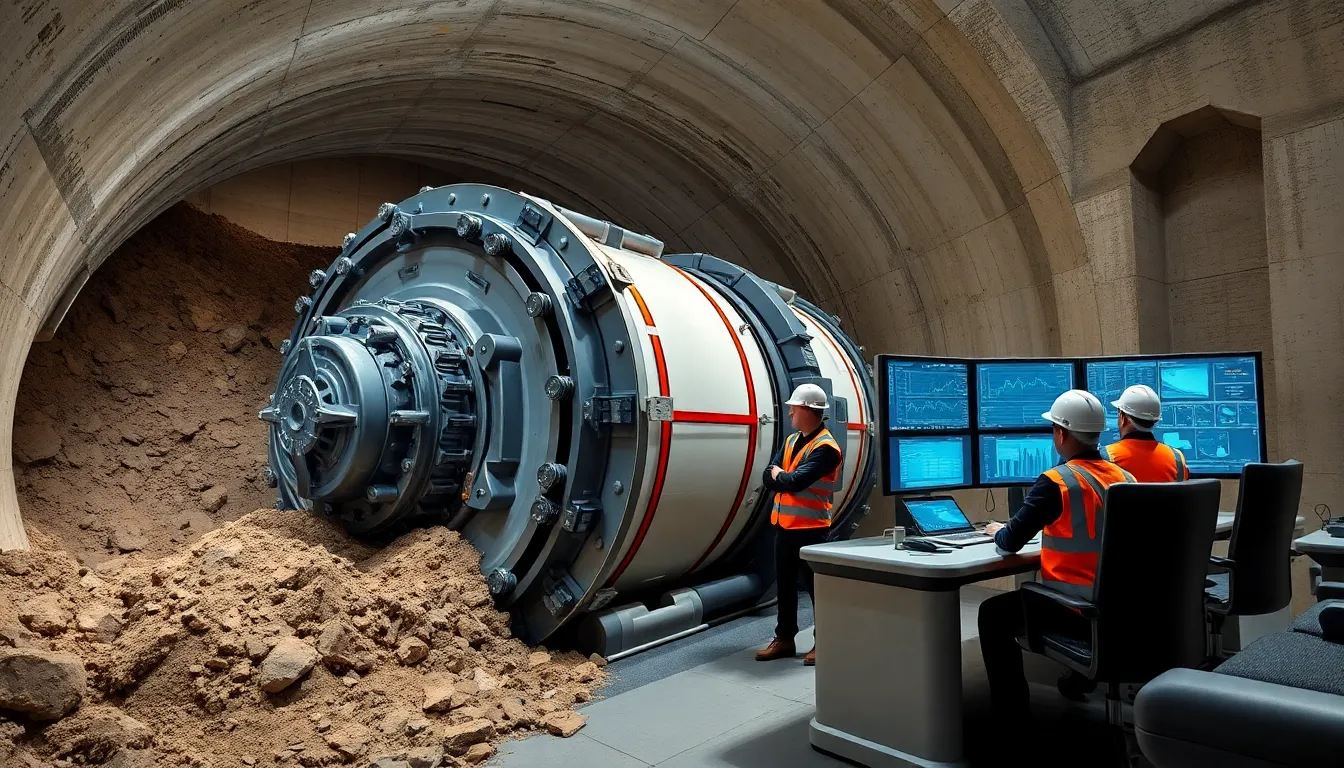
Tunnelling techniques have evolved dramatically over the years, reflecting advancements in engineering and technology.
Traditional Tunnelling Methods
In the early days, tunnelling was a labor-intensive process, relying heavily on manual labor and simple machinery. Think pickaxes, shovels, and endless determination. Methods like the cut-and-cover technique involved excavating a trench, constructing the tunnel walls, and then covering it up. While effective, this method is laborious and disrupts the surface significantly.
Modern Tunnelling Innovations
But, as society advanced, so too did tunnelling techniques. Innovations such as Tunnel Boring Machines (TBMs) have revolutionized the landscape. These machines can slice through rock and soil with impressive efficiency, significantly reducing the time and manpower needed for projects. Using state-of-the-art technology, TBMs can navigate complex geological conditions and minimize surface disruption, making them the preferred choice for many modern tunnelling projects.
Applications Of Tunnelling
Tunnelling is not just a fascinating engineering challenge: its applications are varied and vital to infrastructure development.
Transportation Infrastructure
One of the primary uses of tunnelling is in transportation. Think of subways or railways bustling beneath cityscapes, quietly moving commuters without contributing to surface congestion. Tunnels can also be used to help roadways, especially in mountainous regions where above-ground pathways face natural barriers. This innovative technique allows for travel over long distances with minimal environmental footprint.
Utility Projects
Tunnelling extends its reach into utility projects as well. Water pipes, sewage systems, and electrical grids frequently use underground pathways to maintain efficiency and safety. By ingeniously routing these utilities beneath the ground, cities maintain aesthetics while ensuring vital services are delivered effortlessly. This approach minimizes disruption during installation and maintenance, which adds an extra layer of efficiency to urban planning.
Environmental Considerations
With great power comes great responsibility, and tunnelling is no exception. The impact on the surrounding environment must be assessed and managed judiciously.
Impact On The Surrounding Environment
While tunnelling brings about modernization, the process can also lead to significant environmental changes. Soil displacement, alterations to groundwater paths, and impacts on local flora and fauna are some issues project managers tackle. As engineers continue to explore these subterranean worlds, maintaining ecosystem integrity becomes essential. Studies and assessments are now standard practice, ensuring that tunnelling projects align with environmental conservation efforts.
Sustainable Practices In Tunnelling
Sustainability is becoming a cornerstone of engineering, and tunnelling is no exception. Strategies that minimize carbon footprints and promote eco-friendliness are gaining traction.
By employing methods that reduce material waste or using renewable energy sources in operations, tunnellers are integrating sustainability into their projects. Innovations such as reusing excavated soil for construction or implementing advanced filtration systems can also help to strike a balance between development and environmental stewardship.
Future Trends In Underground Space Technology
As society progresses, the future of tunnelling and underground space technology looks bright. Engineers anticipate the integration of smart technology into tunnels, enhancing safety and operational efficiency.
From sensors that monitor structural integrity to automated systems that optimize traffic flow, the future promises a seamless blending of technology and construction. Besides, as urban populations continue to grow, the demand for underground solutions will only increase, leading to further innovations and enhancements in this fascinating field.