



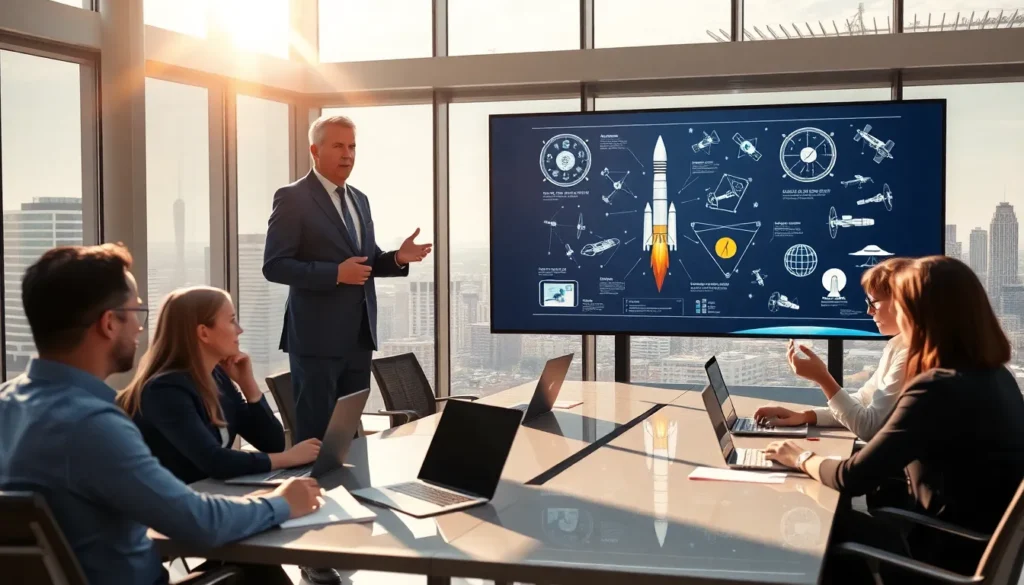

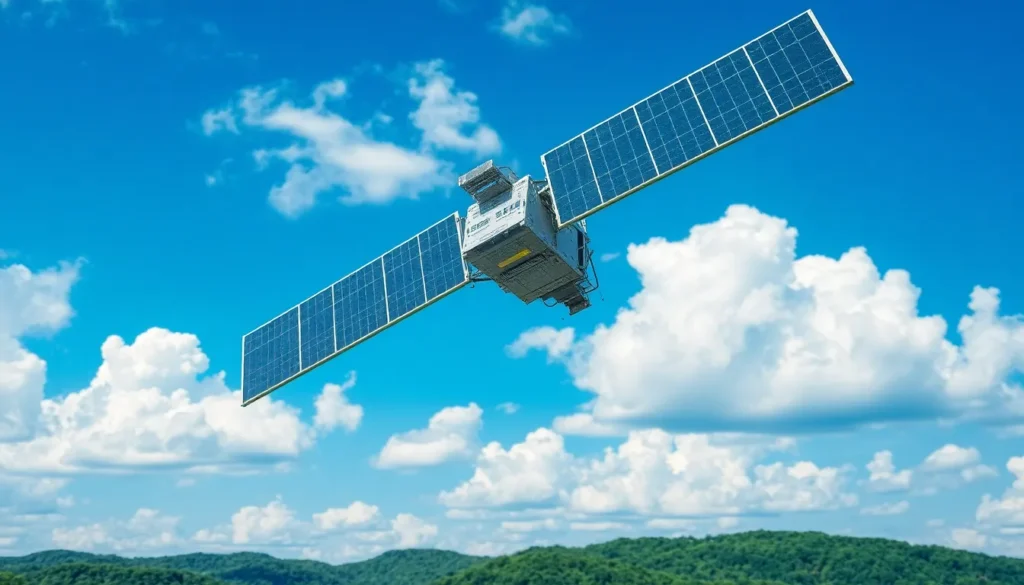
Space technology isn’t just for astronauts and sci-fi enthusiasts; it’s the backbone of modern innovation. From satellites that keep your GPS on point to the tech that helps scientists explore distant planets, space technology plays a crucial role in our daily lives. Imagine trying to find your way without Google Maps or wondering how weather forecasts are made—thank space tech for that!
What Is Space Technology?
Space technology encompasses the tools and systems designed for space exploration and utilization. It includes satellites, spacecraft, space stations, and technologies that support human and robotic activities in space. Many advancements in communication, navigation, and remote sensing originate from developments in space technology.
Satellites play a crucial role in providing global positioning services, which enhance navigation accuracy. Weather forecasting, grounded in satellite data, relies heavily on the information obtained from orbit. This data enables accurate predictions of weather patterns, contributing to public safety and disaster preparedness.
Robotic systems significantly contribute to space exploration, enabling missions to Mars and beyond. Rovers like Perseverance collect samples and analyze environments on other planets. They gather valuable data that informs scientists about the potential for life and habitability.
In addition, space technology supports Earth observation efforts. Satellites equipped with imaging technology monitor land use changes, deforestation, and natural resource management. Environmental monitoring relies on this information to address climate change and ecological conservation.
Launch vehicles, such as rockets, facilitate transporting payloads to space. These vehicles vary in size and capability, allowing diverse missions, from satellite deployments to crewed spaceflights. Advancements in launch technology have made access to space more routine and affordable.
Space technology also fosters international collaboration. Countries often work together on joint missions, sharing expertise and resources to achieve common goals. This cooperation leads to a more extensive understanding of space and its potential benefits for society.
Overall, space technology deeply influences daily life. It enhances telecommunications, improves transportation, and supports various industries, demonstrating its vast impact beyond traditional scientific applications.
Key Components of Space Technology
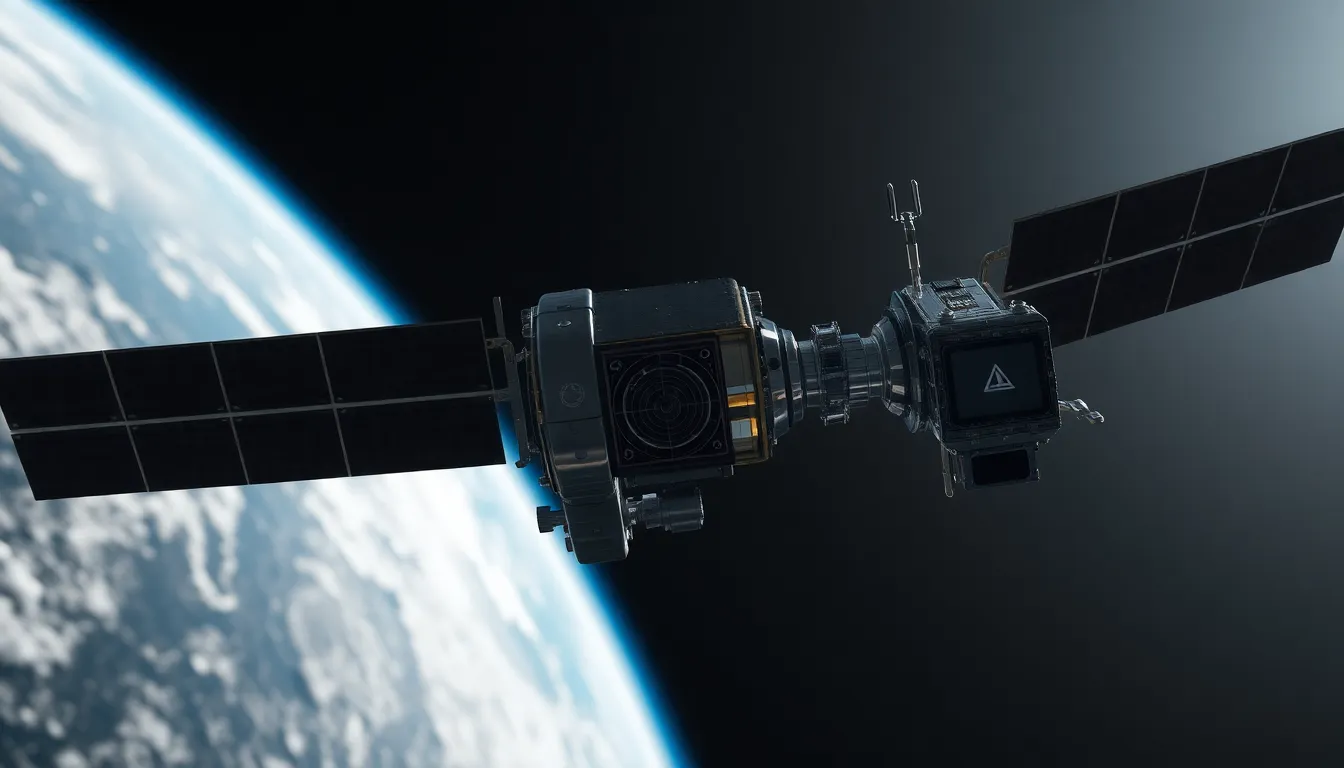
Space technology consists of several critical components that enable exploration and application in various fields. Each part contributes to advancements in communication, navigation, and environmental monitoring.
Satellites
Satellites orbit the Earth and serve numerous functions. They facilitate global communications by enabling phone calls, internet access, and television broadcasts. Navigation systems, like GPS, rely on a network of satellites to provide accurate location data. Weather satellites gather information about atmospheric conditions, which enhances forecasting accuracy and public safety. Earth observation satellites play a vital role in monitoring environmental changes, contributing to climate action and disaster response efforts.
Spacecraft
Spacecraft are essential for traveling beyond Earth’s atmosphere. They transport astronauts, equipment, and scientific instruments into space. Manned spacecraft, such as the International Space Station (ISS), allow for long-duration stays in orbit, fostering international collaboration in scientific research. Unmanned spacecraft, like planetary rovers, explore celestial bodies and gather data about their conditions. Each mission contributes valuable insights into our solar system, expanding understanding and supporting future exploration initiatives.
Launch Vehicles
Launch vehicles are crucial for delivering payloads into space. Rockets, the primary form of launch vehicles, propel satellites and spacecraft beyond Earth’s atmosphere. Various types of rockets exist, including expendable and reusable designs, enhancing cost-effectiveness in space missions. Reusable rockets, such as SpaceX’s Falcon 9, dramatically reduce launch costs and improve access to space. These advancements pave the way for increased opportunities in commercial spaceflight and scientific exploration.
Applications of Space Technology
Space technology plays a pivotal role in various sectors, enhancing numerous aspects of modern life.
Communication
Satellites enable seamless global communications, providing phone coverage, internet access, and television broadcasts. Satellite networks support businesses and individuals by connecting them with the world. High-speed data transmission is possible thanks to low Earth orbit satellites, which reduce latency. Systems like Global Positioning System (GPS) rely on satellite data to deliver accurate location services, essential for navigation and transportation. Furthermore, disaster response and recovery efforts benefit from satellite-based communication systems. They allow emergency responders to maintain contact and coordinate rescue operations effectively.
Earth Observation
Earth observation satellites gather invaluable data about the planet’s surface and atmosphere. They monitor environmental conditions, aiding in agriculture, forestry, and land management. Real-time data on weather patterns facilitates advanced forecasting, benefiting public safety and disaster preparedness. Climate scientists use satellite imagery to track changes in polar ice caps, deforestation, and other ecological shifts. Additionally, these satellites assist in managing natural resources, informing decision-making for sustainable development. Through comprehensive observation, satellite technology enhances society’s understanding of environmental challenges.
Scientific Research
Space technology drives advancements in scientific research, expanding knowledge of the universe and our planet. Manned and unmanned spacecraft conduct experiments and gather data in environments unattainable on Earth. Missions to Mars, for example, provide insights into planetary geology and potential habitability. Instruments aboard spacecraft analyze cosmic phenomena, enhancing understanding of star formation and black holes. Collaborative research, such as that conducted on the International Space Station (ISS), fosters international partnerships and innovation. Overall, scientific research benefits immensely from the capabilities offered by space technology, paving the way for future discoveries.
Challenges in Space Technology
Space technology faces several significant challenges that can impact its advancement and implementation.
Cost and Funding
Budget constraints pose a major challenge for space programs. Developing and launching spacecraft often requires billions of dollars, making funding essential. Government agencies and private companies strive for sustainable financing models to support ambitious projects. For instance, NASA allocates a portion of its budget for space exploration, relying on partnerships with private firms like SpaceX for cost-sharing. Investors also recognize the potential of commercial space ventures, directing funds towards startups focused on innovative solutions. Balancing cost against the need for cutting-edge technology remains critical for the future of space exploration.
Technological Limitations
Technological hurdles frequently hinder progress in space technology. Developing reliable systems for deep space missions presents significant challenges. Harsh environments in space, including extreme temperatures and radiation, test the durability of equipment. Engineers constantly work to improve materials and components to withstand these conditions. Limited communication bandwidth also impacts remote operations, necessitating advancements in data processing and transmission. Innovations in propulsion systems and energy sources are essential for enhancing mission capabilities. Continuous research and development aim to overcome these limitations, ensuring future missions achieve their objectives efficiently.
Future of Space Technology
Advancements in space technology promise a transformative future for exploration and everyday applications. Lunar bases may facilitate deeper space exploration by enabling longer missions with sustainable resources. Mars colonization represents another significant goal, with various initiatives aiming for human habitation within the next few decades. Various space agencies and companies are investing in this vision, highlighting its potential to expand human presence beyond Earth.
Enhanced satellite technology will create a more interconnected world. Smaller satellites, often referred to as CubeSats, can deliver high-resolution images and data for a fraction of the current cost. Launching multiple satellites simultaneously is becoming common practice due to the evolution of rocket technology, ensuring broader coverage and faster deployment.
Robotic systems are set to play a pivotal role in future missions. Autonomous robots can undertake tasks on celestial bodies like Mars, gathering and analyzing samples without direct human intervention. These innovations may accelerate scientific discoveries while reducing risks to human life.
Commercial spaceflight is on the rise. Companies such as SpaceX and Blue Origin are pioneering affordable access to space, opening opportunities for research, tourism, and potential colonization. Launching astronauts and cargo to the International Space Station is increasingly routine, further strengthening partnerships between government and private sectors.
Sustainable practices are gaining attention as space agencies address environmental impacts. Recycling materials and minimizing waste are now priorities in developing future spacecraft. Collaborations across sectors will foster innovation aimed at sustainable exploration.
Simulated environments on Earth are integral to preparing for future missions. Researchers utilize advanced technologies to replicate conditions found on other planets, enhancing training and mission planning. This preparation is crucial to ensuring the success of upcoming exploration initiatives.
Continued investment in space technology will drive innovation across multiple sectors, reinforcing its significance in advancing human knowledge and capabilities.
Space technology is more than just a tool for exploration; it’s a cornerstone of modern life. Its influence spans various sectors, enhancing communication, navigation, and environmental monitoring. As advancements continue, the potential for innovation grows, promising a future where space technology plays an even more significant role in everyday experiences.
The challenges ahead require ongoing investment and collaboration between government and private sectors. This commitment will ensure that humanity not only explores new frontiers but also leverages these technologies to tackle pressing issues on Earth. With each breakthrough, space technology shapes a more connected and informed world.