






In a world where Wi-Fi is as essential as coffee, understanding home networking installation services becomes a necessity. Imagine this: it’s Friday evening, you’re hosting friends, and the last thing you want is a buffering video during movie night. Enter the professionals. Home networking services don’t just avoid disasters: they promise seamless gaming, binge-watching, and even a few TikTok dances without breaking a sweat. Ready to level up your home’s connectivity? Let’s jump into the nitty-gritty.
Understanding Home Networking
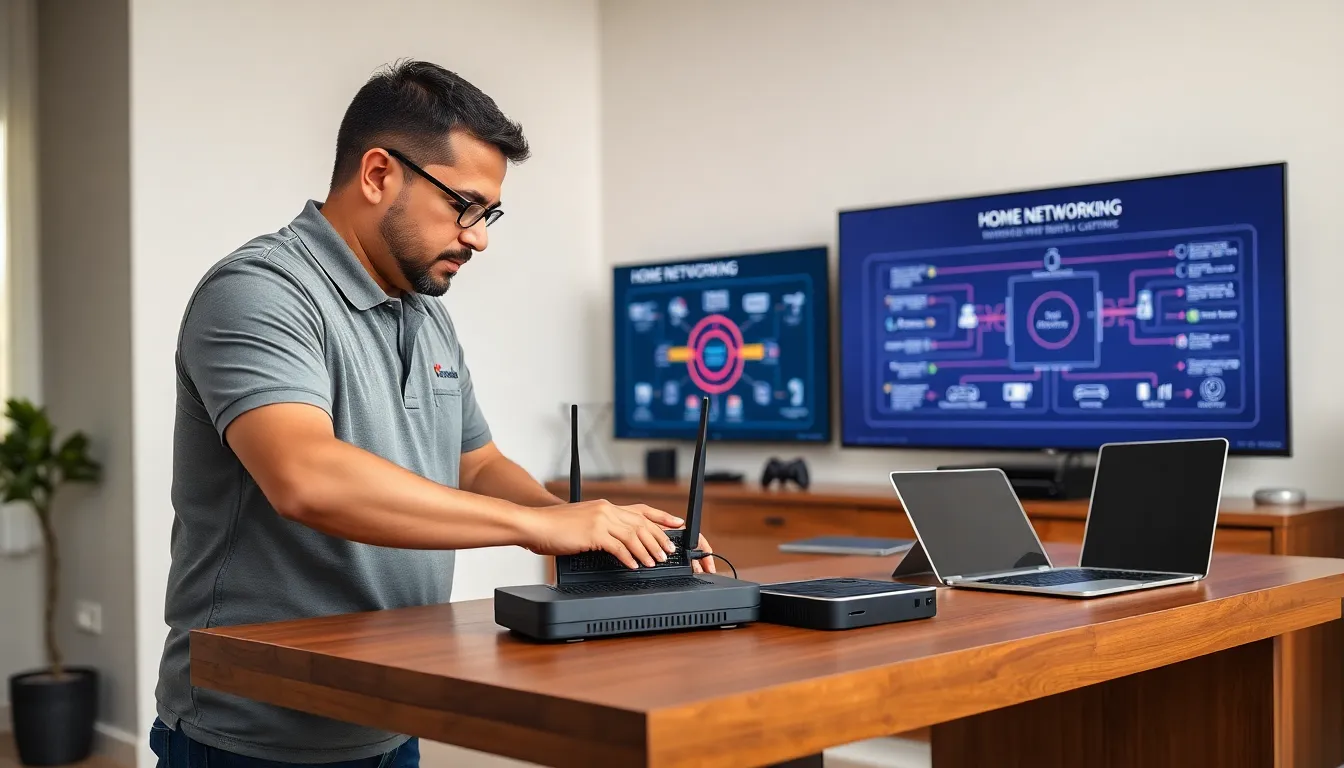
Home networking connects various devices in your house, allowing them to share an internet connection, stream media, and communicate with each other.
The basic components of home networking include:
- Router
- Modem
- Switches
- Access Points
Your router acts as the gatekeeper, managing the data that flows in and out of your home. It’s responsible for assigning IP addresses to devices and maintaining the connection between them. Also, the modem connects your network to the internet through your Internet Service Provider (ISP).
The modern home is filled with devices that need a reliable network, think smart TVs, tablets, gaming consoles, and security cameras.
Understanding these fundamentals is crucial for anyone considering a home networking installation service.
Types of Home Networks
When it comes to home networks, one size does not fit all. Knowing the different types can help homeowners choose the right solution for their needs.
Wired Networks
Wired networks use Ethernet cables to connect devices directly to the router. This type of network is known for its reliability and speed, perfect for gaming or streaming in high definition.
Wireless Networks
Wireless networks, or Wi-Fi, offer the convenience of connectivity without cables. While they provide flexibility, keep in mind that distance and obstacles can impact performance.
Hybrid Networks
Many homes benefit from a hybrid approach. This network combines wired connections for stationary devices and wireless connections for mobile devices. It optimizes performance while accommodating various needs.
Knowing these network types can guide users toward selecting a service that fits their lifestyle.
Benefits of Professional Installation Services
Opting for professional home networking installation services comes with a variety of benefits.
- Expertise
Professionals have the skills and experience to install and configure networks efficiently. They understand hardware compatibility, ensuring all components work seamlessly together.
- Time-Saving
Let’s face it, many people have busy lives. Hiring an expert means saving hours of troubleshooting and setup time.
- Optimal Performance
Professionals can tune network settings for optimal performance. They configure speeds and eliminate dead zones, ensuring a smoother experience.
- Support and Maintenance
Many services offer ongoing support after the installation. If issues arise, professional help is just a call away.
Key Considerations for Installation
Before diving into a networking project, consider a few key points.
- Assess Your Needs
Consider how many devices will connect to the network and what kind of activities they will support. For example, homes with gamers and streamers need more bandwidth.
- Future-Proofing
Technology evolves rapidly. Selecting equipment that can handle future advancements will save headaches down the road.
- Layout and Coverage
The physical layout of your home plays a significant role in network performance. Think about walls, furniture, and other structures that could hinder signal strength.
Choosing the Right Service Provider
Selecting a networking installation service can feel daunting, but it doesn’t have to be. Here are a few tips to simplify your decision.
- Check Credentials
Look for certifications and experience in networking. A qualified technician will ensure reliable installations.
- Read Reviews
Customer feedback provides insight into the company’s reliability and quality of service. Don’t hesitate to dig into online reviews.
- Get Estimates
Request estimates from multiple providers. This step helps you understand the average cost and evaluate what’s included in the service.
Common Challenges and Solutions
Every great journey has its bumps in the road, and home networking is no exception. Here are some common challenges and how professionals tackle them.
- Dead Zones
These are dreaded areas where the Wi-Fi signal is weak or nonexistent. Professionals strategically place routers and extenders to eliminate these zones.
- Interference
Other electronic devices can interfere with Wi-Fi signals. Experts can assist in reconfiguring networks or changing frequencies for better performance.
- Complex Configurations
With multiple devices, changing settings can feel overwhelming. Professional installation ensures that everything is configured correctly from the get-go.