





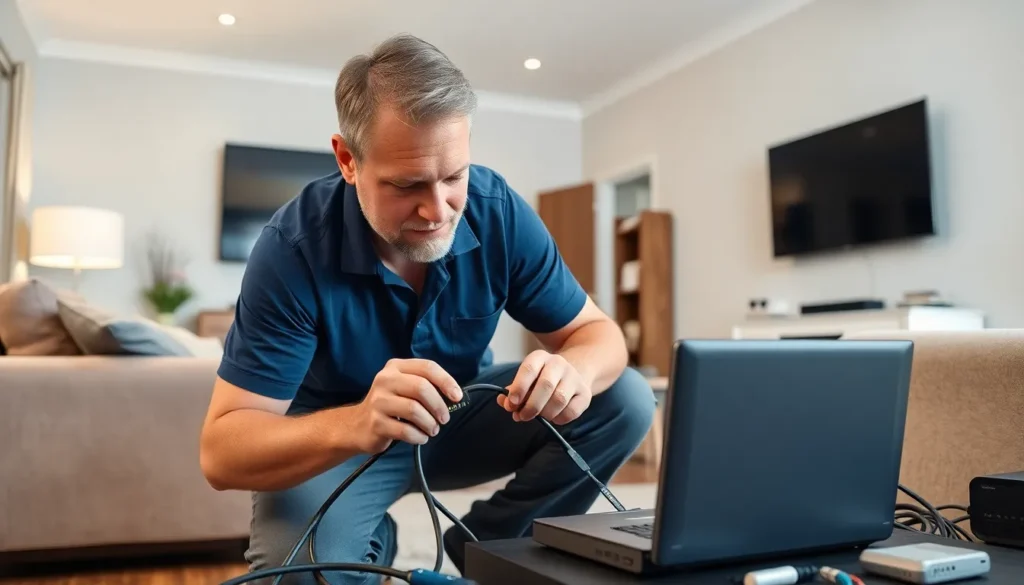
In today’s tech-savvy world, a solid home network isn’t just a luxury—it’s a necessity. Whether streaming the latest binge-worthy series or working from home in your pajamas, a reliable connection makes all the difference. But let’s face it—setting up a home network can feel like trying to assemble IKEA furniture without the instructions.
Overview of Home Networking Installation Services
Home networking installation services provide essential support for establishing robust and efficient internet connections in residential spaces. These services encompass various tasks, including configuring routers, installing Ethernet cables, and optimizing wireless signals. Clients benefit from professional expertise, ensuring that their networks can handle multiple devices and high-speed requirements.
Technicians assess the unique needs of each home before recommending tailored solutions. They analyze factors like the size of the space, the number of connected devices, and specific user demands. Customized installations guarantee that users enjoy seamless online experiences for streaming, gaming, and remote work.
Installation services often include troubleshooting existing network issues. Professionals diagnose problems and implement fixes quickly, minimizing downtime for users. They also educate clients on maintaining their networks to ensure long-term reliability.
Wired and wireless options are commonly available, allowing flexibility based on consumer preferences. Wired installations often provide faster and more stable connections, while wireless setups offer convenience and mobility. Each option has its advantages, requiring careful consideration based on individual needs.
Many service providers now offer additional features, such as network security setups. Implementing firewalls and secure passwords helps protect residential networks from unauthorized access. Such measures enhance overall security, making them an essential part of modern home networking.
Overall, investing in professional home networking installation services leads to enhanced performance and improved connectivity. These services contribute significantly to today’s technology-driven lifestyles, enabling smooth online activities for families and remote workers alike.
Benefits of Professional Installation
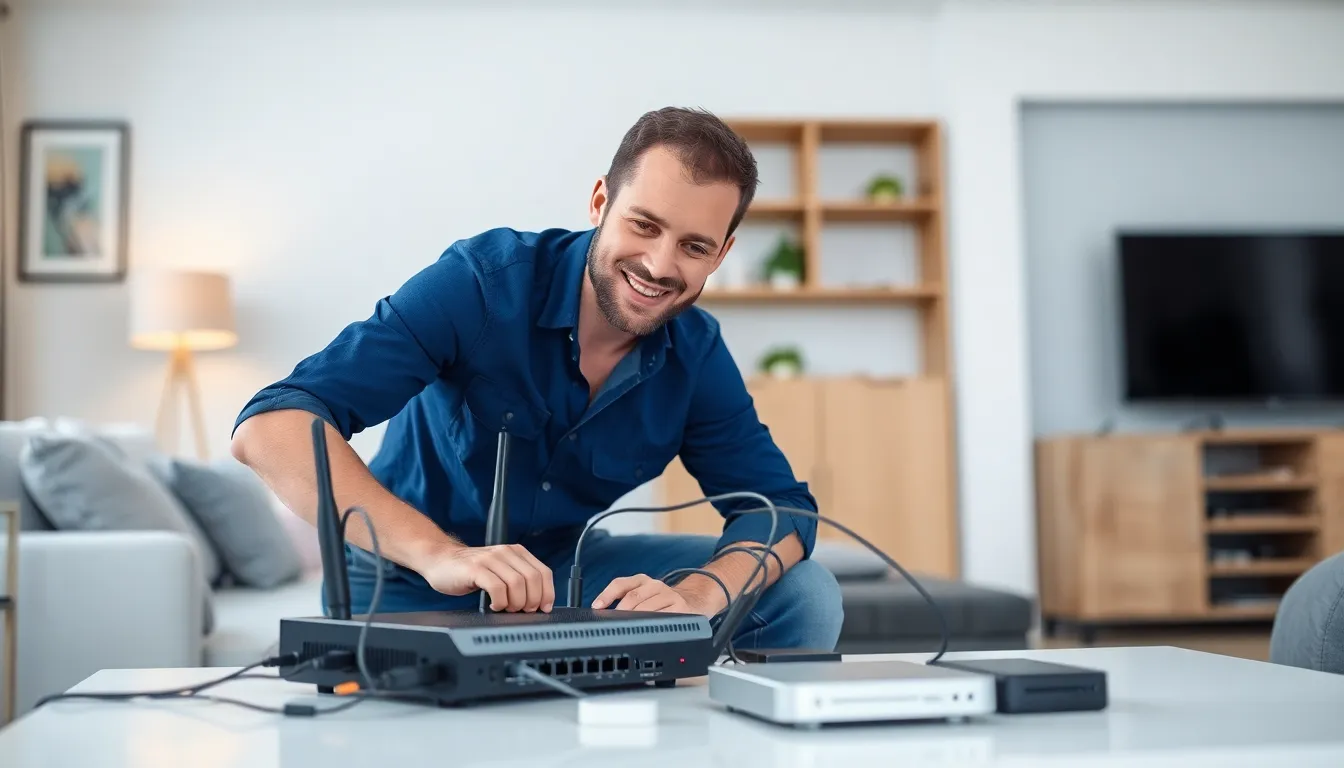
Professional installation of home networking services brings numerous advantages that enhance overall user experience.
Improved Performance and Reliability
Network performance improves significantly with professional setups. Technicians understand how to optimize configurations, maximizing speed and stability. Consistent connectivity minimizes lag for activities like streaming and gaming. They assess each home’s specific requirements, ensuring that multiple devices operate seamlessly. With robust setups in place, users experience fewer disruptions and increased satisfaction.
Time and Cost Efficiency
Investing in professional installation saves both time and money. Homeowners avoid the lengthy process of trial and error when setting up networks. Skilled professionals complete installations efficiently, often within a few hours. Troubleshooting existing network issues also becomes more straightforward. When considering potential downtime, the initial investment pays off quickly due to enhanced performance and reduction in future service calls.
Types of Home Networking Services
Home networking services focus on optimizing internet connectivity within residential spaces. These services can include both wired and wireless solutions tailored to unique household needs.
Wired Networking Solutions
Wired networking solutions provide reliable internet connections through physical cables. Ethernet cables are installed to connect devices directly to routers, offering faster speeds and reduced lag. Enhanced stability benefits activities that require consistent bandwidth, such as gaming or video conferencing. Installation often involves setting up network switches, which expand connectivity options for multiple devices. Technicians conduct site assessments to determine the best cable routing and placement for optimal performance. Installation of wall plates can provide a clean, professional look while minimizing clutter. A wired network also enhances security by reducing exposure to unauthorized access compared to wireless systems.
Wireless Networking Solutions
Wireless networking solutions facilitate internet access without physical cables, providing flexibility and convenience. Wi-Fi networks utilize routers and access points to connect multiple devices throughout a home. Technicians configure wireless frequencies and channels to minimize interference, ensuring strong signals in every room. Mesh networking systems can be implemented to extend coverage to larger spaces, eliminating dead zones. Installation of range extenders may be necessary for optimizing performance in distant areas. Additionally, setting up guest networks can enhance security, allowing visitors temporary access without compromising the main network. Wireless networking is ideal for homes with numerous devices or requirements for mobility.
Choosing the Right Service Provider
Finding a reliable service provider ensures a successful home networking installation. Consider experience, certifications, and customer reviews when making your choice.
Key Qualities to Look For
Look for experience in home networking installation. Evaluate certifications that align with technology standards. Assess customer reviews to understand user satisfaction. Prioritize companies offering tailored solutions that suit individual needs. Ensure technicians are familiar with both wired and wireless configurations, as expertise in both can enhance overall network performance.
Questions to Ask Before Hiring
Inquire about the scope of services provided during installation. Ask how they troubleshoot potential issues during and after setup. Verify if ongoing support is available to address future concerns. Confirm the timeframe for completing the installation. Seek clarification on pricing structures, including any hidden fees.
Common Installation Challenges
Home networking installation often presents various challenges that require skilled attention. These challenges can impact overall network performance and user experience.
Networking Equipment Compatibility
Compatibility among networking equipment poses a significant challenge. Devices from different manufacturers may not easily work together, leading to issues with performance and connectivity. Ensuring that routers, modems, and extenders match in specifications is crucial. Technicians often perform checks to verify compatibility before installation. Common problems arise when users mix outdated equipment with newer technology. This situation can lead to connectivity drops and slow internet speeds. Custom setups, based on specific equipment configurations, ensure seamless communication between devices. Careful selection of compatible components enhances network reliability.
Placement and Signal Strength Issues
Placement of networking equipment greatly affects signal strength. Proper positioning can minimize dead zones within a home. Walls, furniture, and other obstacles can impede signal propagation, creating connectivity challenges. Technicians typically assess the layout of a home to determine optimal equipment placement. For instance, placing routers higher in a central location often improves coverage. Signal strength testing helps identify weak areas, prompting adjustments for better performance. Furthermore, using Wi-Fi extenders can enhance coverage in larger homes. Strategic placement decisions promote a smoother online experience for all connected devices.
Investing in professional home networking installation services is crucial for achieving a reliable and efficient internet connection. With the increasing demands of modern technology, having a well-configured network enhances the online experience for activities like streaming and remote work. Skilled technicians provide tailored solutions that minimize common pitfalls associated with DIY setups.
By choosing the right service provider, homeowners can ensure their networks are optimized for performance and stability. Proper equipment placement and compatibility checks further enhance connectivity, reducing dead zones and improving signal strength. A professional installation not only saves time but also offers peace of mind, allowing users to focus on their online activities without interruptions.