





Imagine a world where satellites not only help us stream movies but also monitor climate change and disasters. This isn’t science fiction: it’s the extraordinary realm of space technology. In this text, we’ll explore impressive examples of technological advancements that are revolutionizing our understanding of the universe. Whether it’s sending rovers to Mars or creating life-support systems for human space travel, space technology is at the forefront of innovation. Buckle up as we navigate through these exciting developments while keeping things engaging and entertaining.
Satellite Technology
Earth Observation Satellites
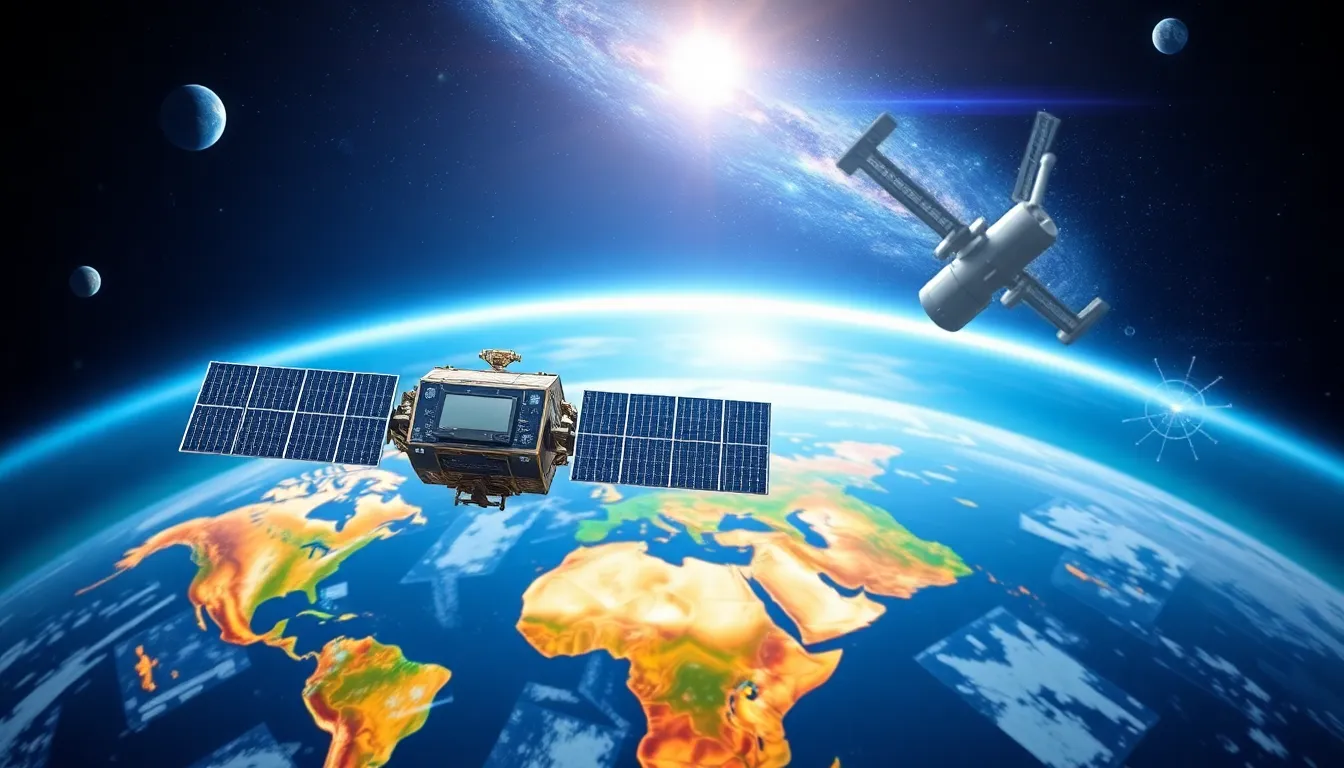
Earth observation satellites are the unsung heroes of our daily lives. These instruments monitor everything from weather patterns to agricultural health. They capture stunning visuals of the planet, allowing scientists to analyze changes in the environment. For example, NASA’s Landsat satellites have been providing critical data for over four decades, helping researchers track deforestation and urban sprawl. Thanks to these satellites, we can predict natural disasters and better respond to climate changes, potentially saving countless lives.
Communication Satellites
Next up are communication satellites, which keep us connected in ways we often take for granted. They enable our phones to make calls, our laptops to browse the internet, and our televisions to stream the latest blockbuster. Satellites like those from SpaceX’s Starlink project aim to provide global internet coverage, especially in remote areas. By working in tandem, these satellites create a vast network that powers our communication systems, bringing the world closer together.
Scientific Research Satellites
Scientific research satellites push the boundaries of human knowledge. They orbit our planet, collecting data that unlocks mysteries about everything from black holes to cosmic background radiation. The Hubble Space Telescope, a prime example, has captured breathtaking images and contributed significantly to our understanding of the universe. With each launch, we gain new insights into our solar system and beyond, shedding light on the origins of life.
Space Exploration Technology
Rovers and Landers
Rovers and landers have transformed our approach to space exploration. They allow scientists to study celestial bodies up close without the limitations of human presence. The Mars rover Perseverance is a perfect example. Equipped with advanced instruments, it looks for signs of ancient life on the red planet, while also testing technology needed for future human missions. Landers, like the ones from the Lunar Gateway, will serve as potential bases for continued explorations of the Moon and Mars.
Orbital Vehicles
Orbital vehicles, such as the International Space Station (ISS), help long-term human presence in space. These platforms serve as research laboratories and are pivotal in developing technologies for future explorations. The ISS has hosted numerous experiments, from medical research to agricultural studies, showcasing the benefits of microgravity. As humanity prepares for deeper space travels, such as missions to Mars, these orbital platforms will play an essential role in advancing capabilities.
Human Spaceflight Technology
Spacecraft and Launch Vehicles
Spacecraft and launch vehicles represent the backbone of human spaceflight technology. Companies like SpaceX and Blue Origin are at the forefront, making space travel more accessible than ever. The Falcon 9 rocket, for instance, showcases reusability in space travel, significantly reducing costs. In tandem with the Crew Dragon spacecraft, SpaceX has facilitated the return of astronauts to the ISS, marking a new era in commercial space exploration.
Life Support Systems
Life support systems are critical for human survival in the harsh environment of space. They ensure astronauts receive sufficient oxygen, water, and nutrition while effectively managing waste. Technologies like the Advanced Environmental Control and Life Support System (ECLSS) onboard the ISS recycle air and water to sustain long missions. As plans for Mars colonization progress, advances in life support technologies will be paramount in supporting human life on distant worlds.
Emerging Technologies in Space
Space-Based Solar Power
Imagine harnessing the Sun’s energy from space, now that’s a game changer. Space-based solar power is an emerging technology with the potential to revolutionize energy production. By capturing sunlight with satellites and beaming it back to Earth, we could provide clean, renewable energy to billions. This concept is still under development, but the implications are enormous: fewer carbon emissions and a sustainable energy future.
In-Situ Resource Utilization
In-situ resource utilization (ISRU) allows space explorers to use local resources instead of relying solely on supplies shipped from Earth. This technology is vital for Mars missions, as it enables astronauts to extract water from the Martian soil and convert it into fuel. By utilizing available resources, future missions can be more self-sufficient and sustainable, paving the way for longer stays on other planets and even the prospect of colonization.