





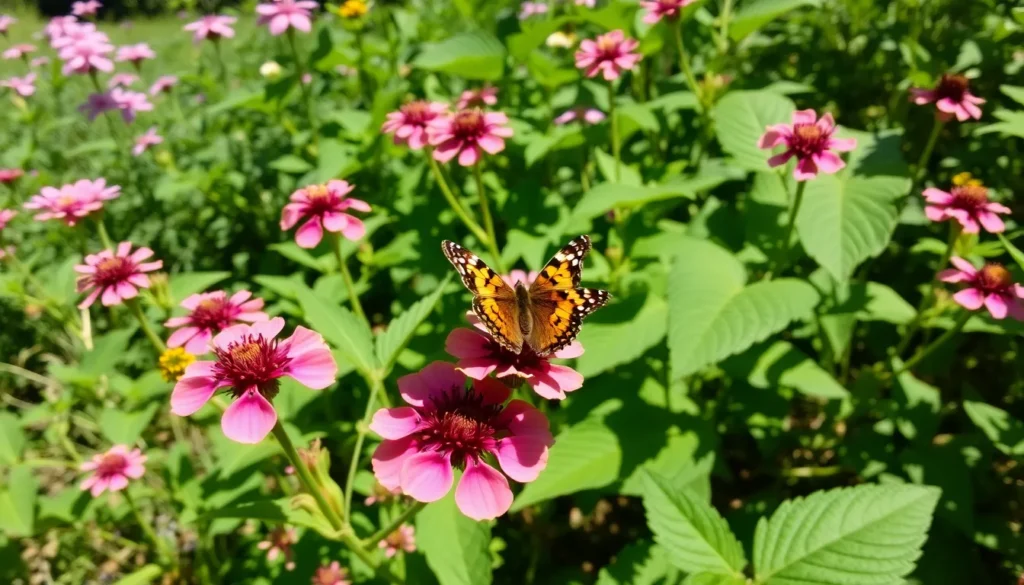
When it comes to attracting those beautiful butterflies, choosing the right milkweed for hingagyi can feel like navigating a maze blindfolded. With so many options out there, it’s easy to get overwhelmed. But fear not! The right milkweed is just waiting to be discovered and will have your garden buzzing with life in no time.
Overview of Hingagyi
Hingagyi is a popular butterfly species, primarily found in various regions of Asia and North America. The importance of milkweed in their lifecycle cannot be understated, as milkweed serves as the exclusive host plant for their larval development. Several types of milkweed attract hingagyi more than others.
Common milkweed, also recognized for its striking pinkish-purple flowers, supports numerous butterfly species. As a critical nectar source, it thrives in sunny areas with well-drained soil. Another effective option is swamp milkweed, which prefers moist conditions and can attract hingagyi as they search for nourishment.
Whorled milkweed stands out for its unique growth habit and layered leaves. This plant can also contribute to the hingagyi’s life cycle by providing food sources for caterpillars. Sourcing native milkweed varieties ensures better adaptation to local environments, enhancing their growth and attraction factors.
Beyond aesthetics, planting diverse milkweed varieties encourages a healthy ecosystem. By prioritizing biodiversity, gardeners can foster numerous pollinators, including hingagyi. Observing the specific needs of these butterfly species allows for refined choices in milkweed selection.
Gardening practices that involve native plant species contribute to environmental conservation. Selecting milkweed varieties suited to regional flora benefits both hingagyi and the local ecosystem. Investing attention in suitable milkweed improves garden vibrancy and supports crucial butterfly populations.
Importance of Milkweed for Hingagyi
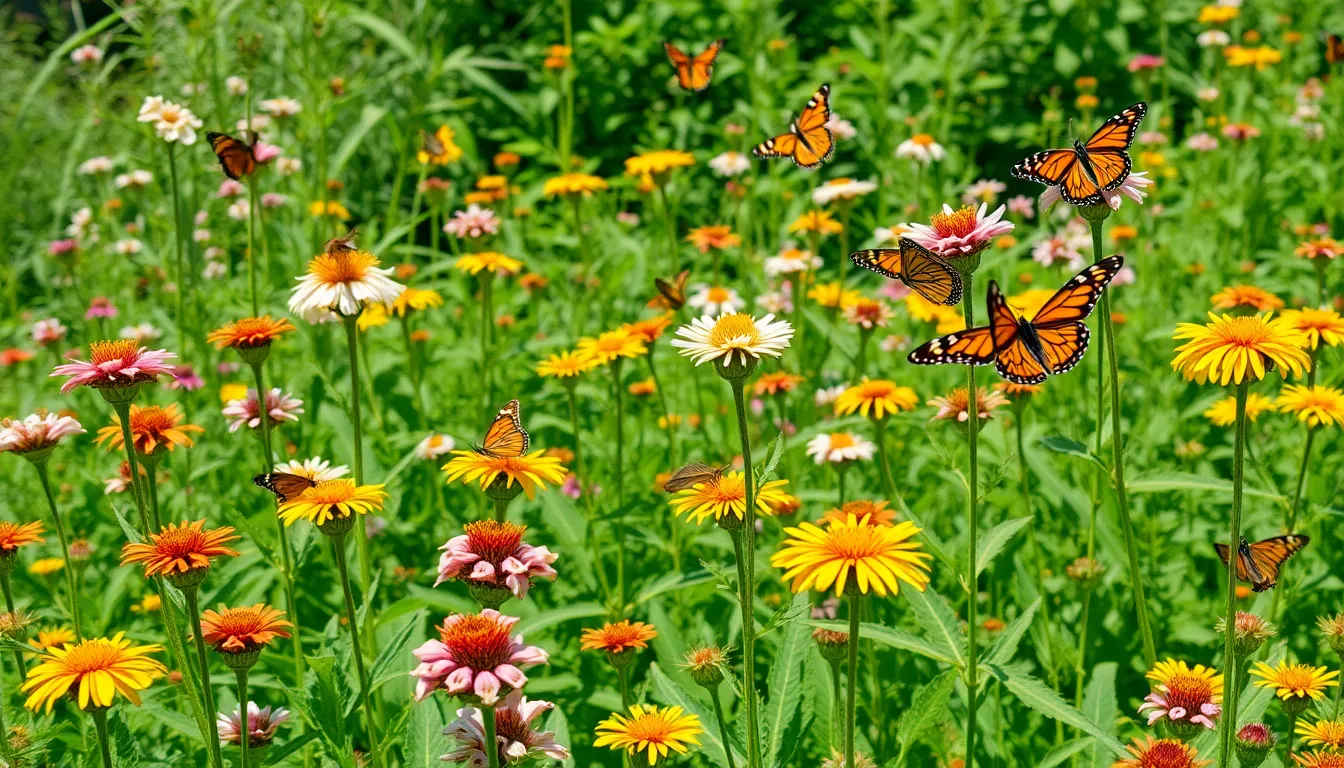
Milkweed plays a vital role in sustaining hingagyi populations. This unique plant serves as the exclusive host for the larval stage of these butterflies.
Role in Habitat
Milkweed creates essential habitats for hingagyi. Providing shelter and food resources, it forms the backbone of the hingagyi’s ecosystem. Various native species of milkweed attract different pollinators, promoting a balanced environment. Common milkweed, for instance, flourishes in sunny spaces while swamp milkweed thrives in moist areas. Whorled milkweed’s distinctive growth pattern adds diversity to the landscape. As a result, preserving native milkweed habitats boosts overall biodiversity and health in local ecosystems.
Benefits to Hingagyi
Hingagyi butterflies depend significantly on milkweed for development. The larvae primarily feed on its leaves, gaining necessary nutrients for growth. Diverse milkweed varieties ensure a steady food supply throughout their life cycle. Moreover, healthy populations of hingagyi contribute to effective pollination in the surrounding flora. Engaging in native planting not only supports hinges but also fosters an ecosystem beneficial to other species. Implementing these practices enhances garden vibrancy and promotes ecological well-being.
Types of Milkweed Suitable for Hingagyi
Selecting the right milkweed types boosts the attraction of hingagyi butterflies. Several species thrive in various conditions, promoting a vibrant ecosystem in any garden.
Common Species
Common milkweed stands out as a prime choice for hingagyi. This species flourishes in sunny, well-drained areas and features pinkish-purple flowers that attract pollinators. Swamp milkweed also proves beneficial, thriving in moist environments. It hosts clusters of fragrant pink flowers, appealing not only to hingagyi but also to a diverse range of insects. Whorled milkweed holds its own with its distinctive growth, sporting whorled leaves and small blossoms that attract various butterflies. These common species help ensure a consistent food source for hingagyi throughout their life cycle.
Unique Characteristics
Distinctive traits of each milkweed species enhance their suitability for hingagyi. Common milkweed exhibits thick, sturdy stems, with leaves that offer ample nutrition for larvae. Swamp milkweed thrives in wetland environments, attracting not only hingagyi but also several other pollinators, contributing to biodiversity. Whorled milkweed’s unique branching structure, along with its adaptability to different soil types, makes it an excellent choice for various gardens. Each species’ attributes cater to the preferences of hingagyi while enriching the local ecosystem. These characteristics underscore the importance of planting diverse milkweed species for fostering strong butterfly populations.
How to Cultivate Milkweed for Hingagyi
Cultivating milkweed for hingagyi requires attention to soil conditions and water needs. Understanding these factors ensures healthy growth and vibrant blooms.
Soil and Water Requirements
Milkweed thrives in well-drained, loamy soil that retains some moisture. Most species prefer full sun but can tolerate partial shade. Swamp milkweed flourishes in consistently moist environments while common milkweed adapts to drier soils. Regular irrigation supports growth, especially during dry spells. Overwatering can lead to root rot, which hinders development. Incorporating organic matter enhances soil quality and promotes drainage. Monitoring soil pH between 6.0 and 7.0 creates an optimal environment for milkweed cultivation.
Pest Management
Controlling pests protects milkweed and supports hingagyi populations. Natural predators like ladybugs and lacewings offer ecological balance by reducing pest numbers. Introducing beneficial insects creates a healthier garden environment. Aphids may be a concern but don’t usually threaten milkweed’s overall health. Handpicking or using a gentle spray of water helps manage infestations effectively. Avoiding chemical pesticides preserves beneficial insects essential for pollination and ecosystem health. Regular inspections for pests help maintain vigorous plant growth and ensure lasting support for hingagyi.
Selecting the right milkweed for hingagyi is essential for nurturing both the butterflies and the surrounding ecosystem. By choosing native varieties like common milkweed, swamp milkweed, and whorled milkweed, gardeners can create an inviting habitat that supports these beautiful pollinators.
Focusing on local adaptations ensures the plants thrive while providing the necessary nutrients for hingagyi larvae. Moreover, adopting sustainable gardening practices enhances biodiversity and fosters a balanced environment.
By integrating these milkweed varieties into their gardens, individuals contribute to the health of hingagyi populations and promote a thriving ecosystem, making their outdoor spaces a vibrant haven for wildlife.